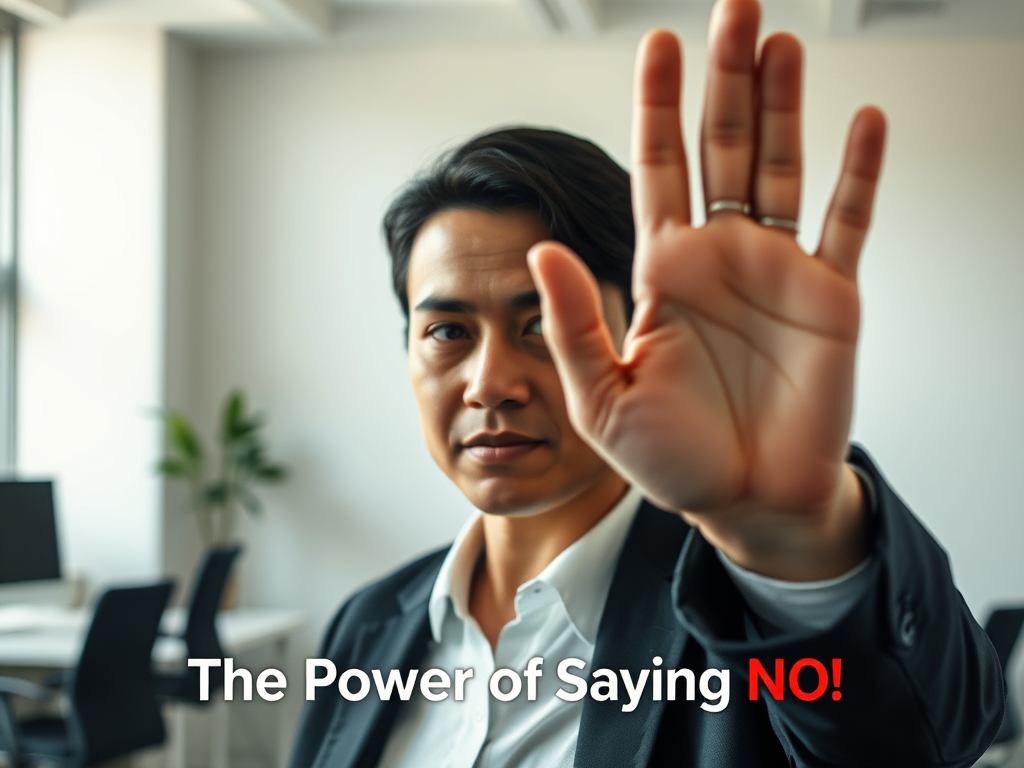
Most people learn from a young age that saying “yes” is polite, kind, and expected. We say yes to avoid conflict, yes to avoid disappointing others, yes to opportunities we don’t want, and yes even when we are mentally exhausted. But there comes a point when constant yeses turn into self-betrayal.
Saying no is not a rejection—it’s a boundary.
And boundaries are a form of self-respect.
Why Saying No Matters
For many people, saying no feels uncomfortable because it feels like you’re letting someone down. But what if the real person you’re letting down is yourself?
Saying no:
- Protects your mental health
- Prevents burnout
- Preserves your energy
- Allows space for what truly matters
- Builds healthier relationships
- Teaches others how to treat you
“No” isn’t a wall—it’s a doorway to a more intentional life.
Signs You Need to Start Saying No More Ofte
If you’re someone who struggles to set boundaries, you may notice:
- You feel overwhelmed or stretched too thin
- You say yes out of guilt, not desire
- You feel resentful even when you agree
- You constantly put others’ needs above your own
- You’re mentally drained after helping
- You abandon your own priorities to meet someone else’s
If these feel familiar, your body and mind may be craving healthier boundaries.
Why No Is a Complete Sentence
One of the biggest mistakes people make is over-explaining their no.
But the truth is simple:
You don’t owe anyone a justification for protecting your peace.
- “No” doesn’t mean you’re selfish.
- “No” doesn’t mean you don’t care.
- “No” doesn’t require guilt, fear, or apology.
Sometimes the most powerful version of self-care is honoring your limits without shrinking to make others comfortable.
How to Say No with Confidence
Here are ways to set boundaries without feeling rude or guilty:
1. Keep It Simple
You don’t need a long explanation.
- “No, I can’t commit to that.”
- “No, that doesn’t work for me.”
2. Offer Alternatives (If You Want To)
Not required, but can be helpful:
- “I can’t help today, but I’m free this weekend.”
3. Use “I” Statements
This keeps your boundaries clear and calm.
- “I need some time to myself tonight.”
- “I’m prioritizing rest, so I’ll pass.”
4. Practice Self-Compassion
It’s normal to feel guilty at first.
But remember: guilt is a habit, not a fact.
5. Stand Firm
People may push back, especially if they’re used to your yes.
Stand your ground—with kindness and clarity.
Why Saying No Strengthens Relationships
Healthy people respect boundaries.
When you say no, you create relationships that are built on honesty, understanding, and mutual respect—not obligation.
“No” teaches others where your limits are.
“Yes” is more meaningful when you give it from a genuine place.
Final Thoughts
Saying no isn’t about rejecting the world—it’s about choosing yourself.
It’s choosing peace over pressure, authenticity over pleasing, and balance over burnout.
You deserve to protect your time, your energy, your heart, and your mental health.
And sometimes the strongest, most powerful thing you can say is a simple, confident no.
💬 Join the Conversation
Do you struggle with saying no? What boundaries are you currently working on? Share your thoughts and experiences in the comments below.
 Urban Pulse Magazine
Leave a comment