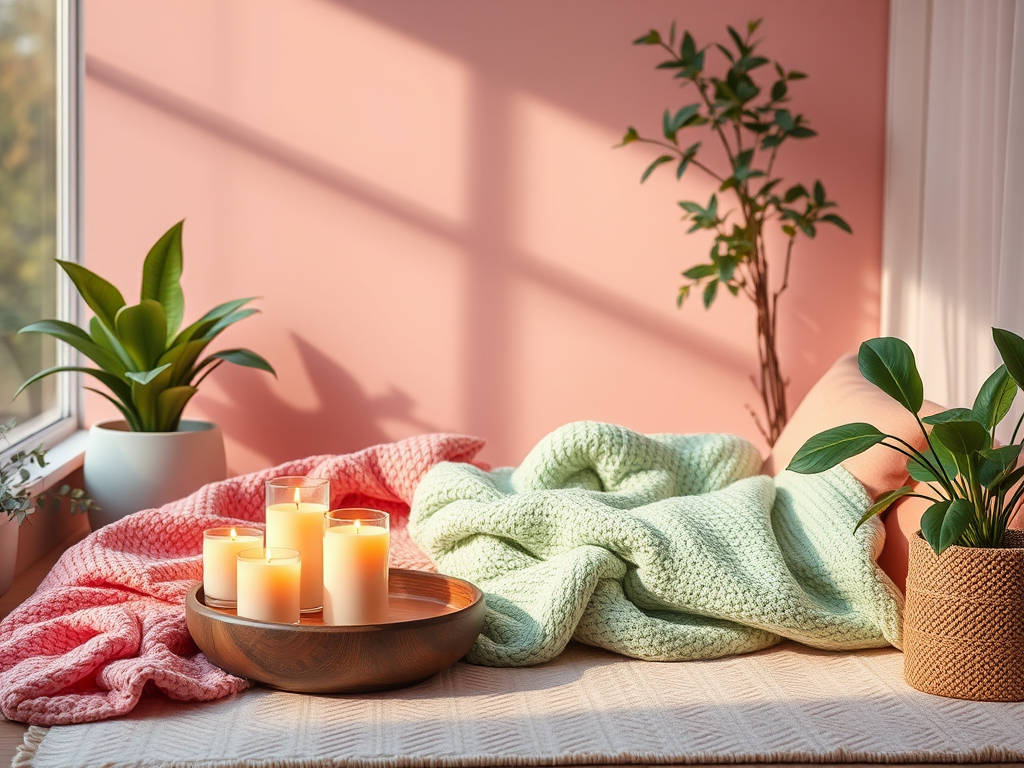
When most people hear the term self-care, they think of face masks, spa days, or treating themselves to something special. And while those things can absolutely play a part, the truth about self-care runs much deeper.
Self-care isn’t just a luxury. It’s a necessity.
What Self-Care Really Means
At its core, self-care is the intentional practice of looking after your physical, mental, and emotional well-being. It’s not always pretty or Instagram-worthy. Sometimes self-care looks like:
- Saying no when you’re already stretched too thin.
- Going to bed earlier, even when you want to keep scrolling.
- Setting boundaries in relationships that drain you.
- Drinking water and moving your body, even if it’s just a short walk.
- Scheduling that doctor’s appointment you’ve been putting off.
The truth is, self-care is less about indulgence and more about maintenance—making sure you’re taking care of the parts of yourself that keep you functioning at your best.
Why We Struggle With Self-Care
For many, self-care feels selfish. We live in a culture that often glorifies productivity and hustle, leaving little room for rest. But burnout doesn’t make us stronger—it makes us disconnected from ourselves.
We also tend to compare our version of self-care with what we see online. The truth is, self-care doesn’t have to cost money or look glamorous. It just needs to work for you.
Redefining Self-Care
True self-care is about sustainability. It’s about creating habits and practices that support your growth and protect your peace. That could be journaling, therapy, prayer, exercise, or simply allowing yourself quiet time without guilt.
When you commit to self-care, you’re not only improving your own life—you’re showing up better for the people around you.
✨ Your Turn:
What does self-care look like in your life? Do you struggle with making it a priority, or have you found practices that work for you? Share your thoughts in the comments below!
 Urban Pulse Magazine
Leave a comment