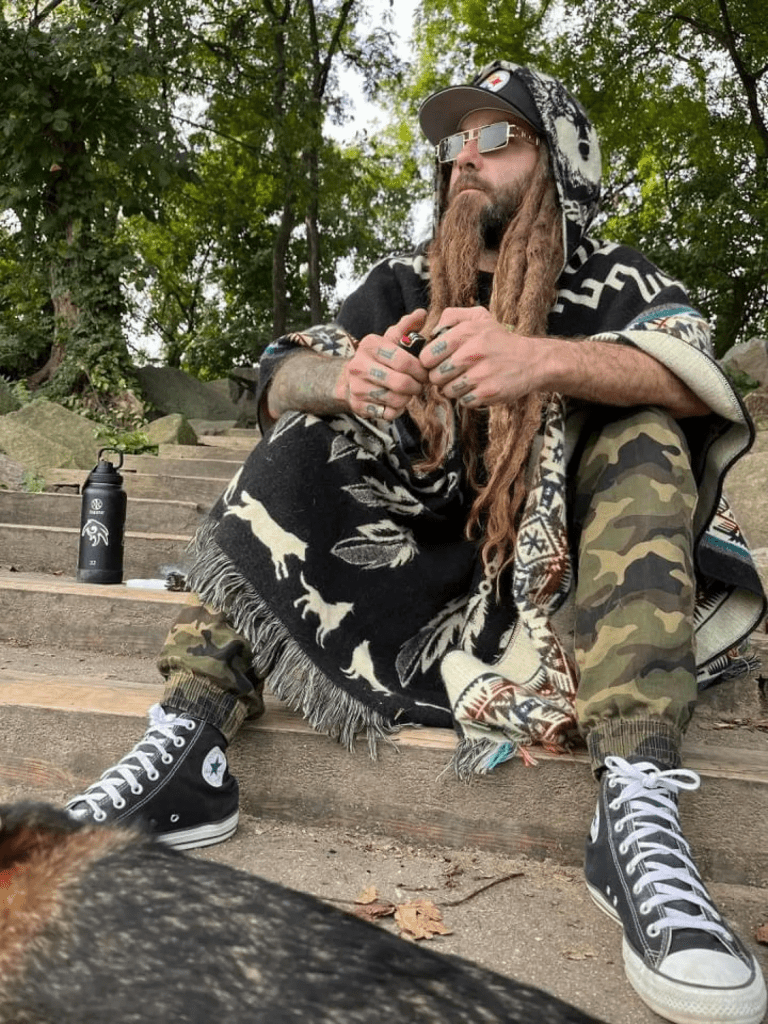
Caspa Clark isn’t your typical rapper—his journey is as raw and unfiltered as the lyrics he delivers. From homelessness and survival on the streets to collaborating with hip hop legends, Caspa’s story is one of resilience, authenticity, and artistry that refuses to be boxed in. His music embodies truth, pain, and transformation, giving listeners not just bars, but pieces of his life. With new collaborations on the way and a mission to grow Noice Recordz into a powerhouse for independent artists, Caspa Clark is proving that his voice—and his vision—are here to stay.
When did rap stop being a hobby and become your lifeline?
Rap stopped being a hobby for me the moment survival and expression became the same thing. I was young, homeless, bouncing from trains to street corners, and music became my language. When I realized strangers would stop to listen—whether I was freestyling with a guitar or passing a sign for weed money—that’s when I knew this wasn’t just a pastime, it was my lifeline.
What does your creative process look like when writing music?
Every song starts with a feeling. Sometimes it’s sparked by a beat, sometimes it’s a phrase I can’t get out of my head, but it always comes back to truth. I work line by line, building wordplay and double meanings, almost like piecing together a puzzle until the energy feels right.
Who were some of your biggest influences coming up?
My style is stitched together from two worlds: growing up in Maine with classic rock from bands like Pink Floyd and Aerosmith, and then moving to Rhode Island, where hip hop gave me a way to connect with people in the hood. Wu-Tang, Fugees, Snoop, Missy, Pac, Biggie—all of them taught me something about grit, storytelling, and rhythm. And my life experiences—homelessness, family struggles, hustling to eat—are just as much an influence as any artist.
If someone’s never heard you before, what’s the one song you’d point them to?
If someone’s never heard me before, I’d point them to “Multiverse” with Nipsey Hussle. It’s a track that shows where I’m at now—still gritty, still conscious, but aiming bigger than myself. It captures pain, growth, and vision all at once.
What was your hardest challenge, and how did you find your breakthrough?
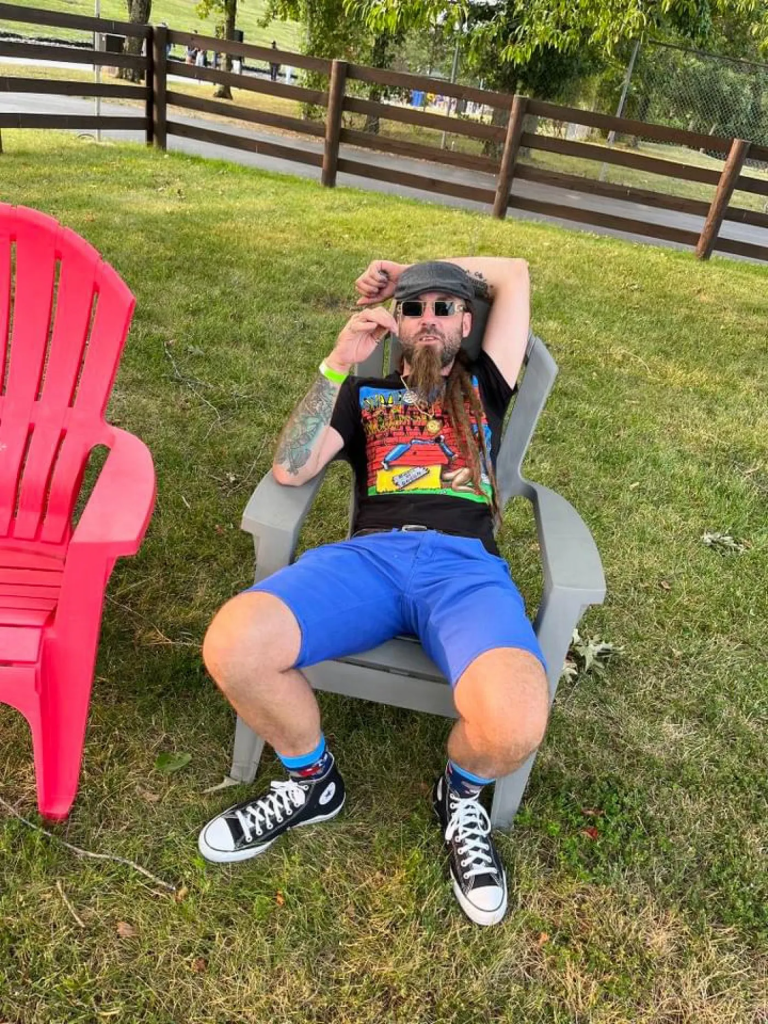
The hardest obstacle was those nine years living on the streets, where every day was survival mode. The breakthrough came when I stopped running from society and started shaping my story into music instead of just living through it. That shift gave me a purpose bigger than struggle.
Can you share one of your favorite storytelling moments in your music?
One of my songs, “Gonja Thriving,” is rooted in my years trimming marijuana up north just to make money for food. What started as survival later turned into a metaphor for growth, spirituality, and finding healing in natural places. That story made me realize music isn’t just therapy—it can be medicine for other people too.
How do you view the music industry right now?
Hip hop right now is a mix of fast food and fine dining—you’ve got music made to be consumed quick, and then you’ve got timeless pieces people will play decades from now. I see myself fitting in with the latter. I’m not chasing trends, I’m building something people can live with.
Do people ever misunderstand your music?
People sometimes misunderstand me as just another weed rapper, but my music is bigger than that. Weed shows up in my songs as a symbol—healing, rebellion, survival—but my art is about life, mental health, and finding meaning through pain. My verses set the record straight because they hold pieces of my real life.
What do you want your legacy to be?
I want people to say Caspa Clark turned pain into light, that I gave listeners a mirror to see themselves in. Not just as an artist, but as someone who lived through chaos, fought through suppression, and still created something that mattered to the culture.
What’s next for you?
Fans can look forward to a wave of new music. “The Ingredient” featuring Twista drops August 29th, and I’ve got upcoming tracks with legends like Snoop Dogg and Krayzie Bone, along with collaborations with Rakim, Pacewon, and Killah Priest. Beyond that, I’m building Noice Recordz into more than just a label—it’s a platform where independent voices can thrive.
 Urban Pulse Magazine
Leave a comment