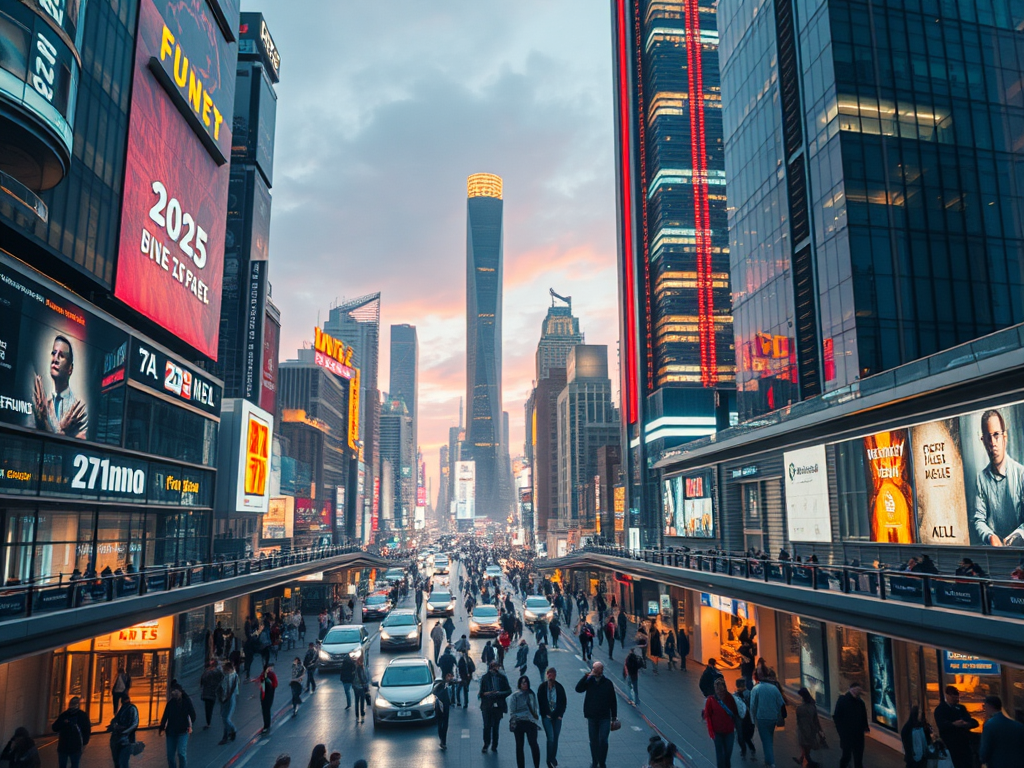
As we look ahead to 2025, the music industry is at a pivotal moment. With major shifts occurring—such as label heads stepping down, the rise of independent artists, and technological advancements—the landscape is evolving rapidly. Here are some expectations we can anticipate in the coming years.
1. Rise of Independent Artists
The trend toward independent music production is likely to accelerate. With tools for recording, distribution, and promotion becoming more accessible, artists can bypass traditional labels. This shift allows for greater creative freedom and a more direct connection with fans. Platforms like Bandcamp and social media will continue to empower musicians to build their brands and fan bases independently.
2. Changes in Label Structures
As prominent label heads step down, we can expect a reevaluation of traditional music business models. This might lead to the emergence of new management styles and strategies that prioritize artist welfare and sustainable practices. Labels may shift focus to nurturing long-term relationships with artists rather than short-term profits, leading to more holistic artist development.
3. Increased Focus on Mental Health
The conversation around mental health in the music industry is gaining traction. As artists speak out about their struggles, the industry will likely implement more resources to support mental well-being. This could manifest in initiatives from labels, management companies, and festivals, promoting healthier work-life balances and providing access to mental health professionals.
4. Technological Integration
Advancements in technology will continue to transform the way music is created, distributed, and consumed. We can expect more integration of AI in music production, personalized playlists powered by sophisticated algorithms, and even virtual reality concerts that provide immersive experiences for fans. Blockchain technology may also become more prominent, offering transparent revenue streams for artists.
5. Diversity and Inclusion Efforts
The push for diversity and inclusion in the music industry will likely strengthen. We can expect to see more initiatives aimed at promoting underrepresented artists and creators. This includes increased visibility for women, LGBTQ+ artists, and artists of color across all genres, both in mainstream media and within industry leadership roles.
6. Evolving Music Consumption Habits
As streaming platforms continue to dominate, we can anticipate shifts in how music is consumed. Short-form content, driven by platforms like TikTok, will play a significant role in music discovery. Artists may focus on creating catchy, shareable snippets that resonate with audiences, leading to trends in songwriting and production.
7. Environmental Consciousness
With growing awareness of climate change, the music industry will likely see an increased emphasis on sustainability. Festivals and events may adopt eco-friendly practices, and artists could use their platforms to advocate for environmental issues. Expect to see more carbon-neutral tours and collaborations with organizations focused on sustainability.
8. Enhanced Fan Engagement
The relationship between artists and fans will evolve, with a focus on building community. We can expect to see more interactive experiences, such as virtual meet-and-greets and fan-driven content. Artists may leverage technology to create personalized experiences that deepen their connection with supporters.
Conclusion
The music industry in 2025 will likely be shaped by a combination of technological advancements, changing business practices, and a renewed focus on artist welfare. As the landscape shifts, artists and fans alike will navigate this new terrain, creating exciting opportunities for creativity and connection. Keeping an eye on these trends will be crucial as we move forward into this dynamic future.
 Urban Pulse Magazine
Leave a comment